White pepper and black pepper both come from the same plant, Piper nigrum, but they differ in processing methods, appearance, flavor, aroma, and culinary applications. Understanding these differences helps importers, wholesalers, and food manufacturers choose the right pepper for their products.
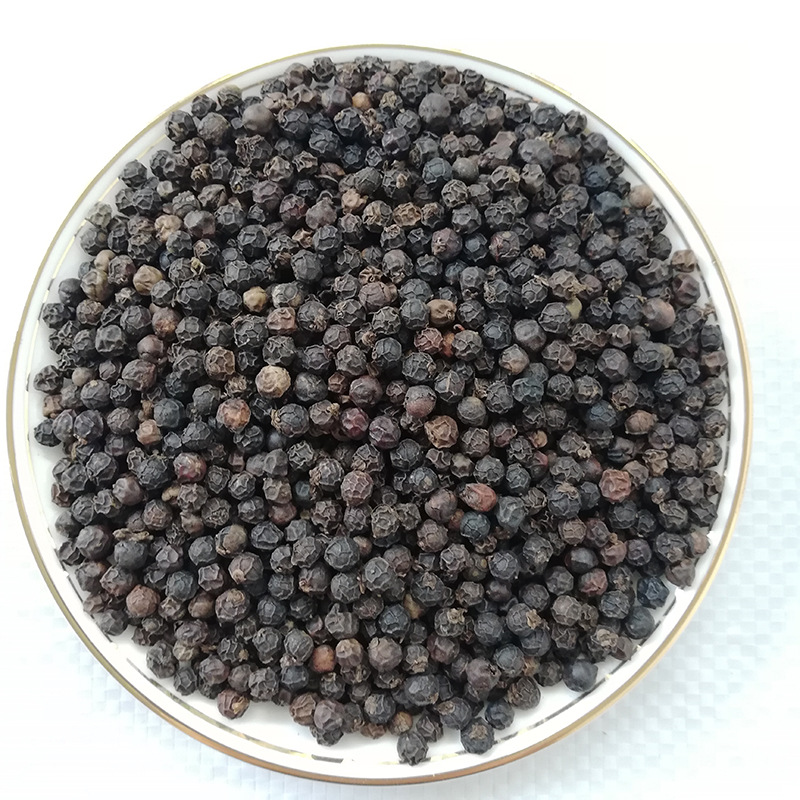
Black pepper is produced from unripe green pepper berries. The berries are harvested before they fully ripen and then dried naturally or mechanically. During drying, the outer skin wrinkles and turns black, creating the familiar black peppercorn.
Black pepper has a bold aroma and a sharp, pungent flavor, making it one of the world's most widely used spices.
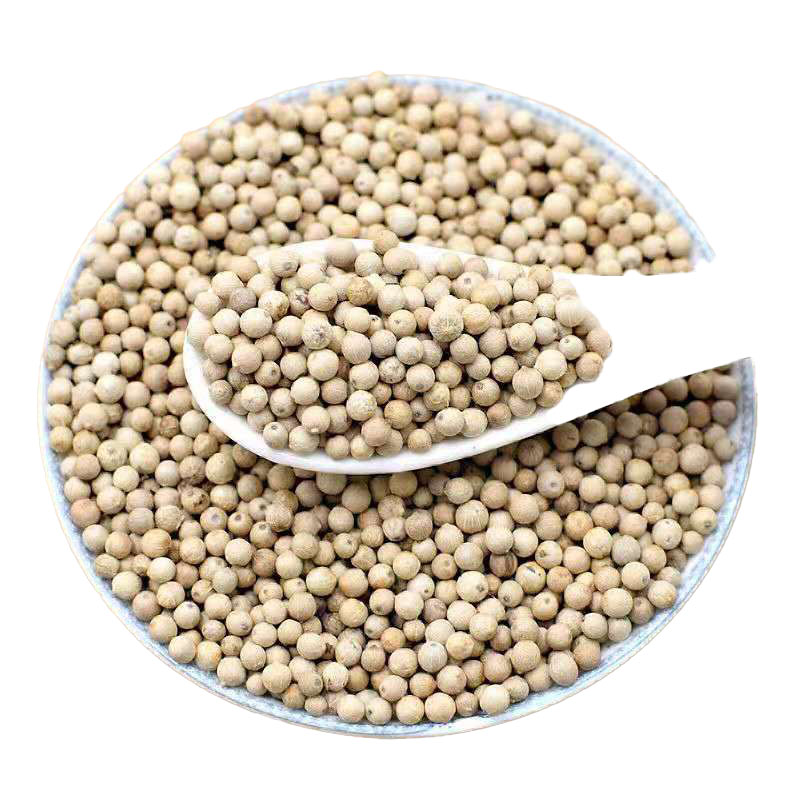
White pepper is also produced from Piper nigrum, but the berries are allowed to ripen fully before harvest. The outer skin is removed through soaking and rubbing, leaving only the inner white seed. The seeds are then dried to produce white peppercorns.
White pepper has a milder aroma, a smoother taste, and less visible color, making it suitable for light-colored foods.
| Feature | White Pepper | Black Pepper |
|---|---|---|
| Botanical Name | Piper nigrum | Piper nigrum |
| Raw Material | Fully ripe berries | Unripe green berries |
| Processing | Outer skin removed before drying | Whole berries dried with skin |
| Color | Creamy white to light yellow | Dark brown to black |
| Flavor | Mild, earthy, smooth | Bold, pungent, spicy |
| Aroma | Gentle pepper aroma | Strong pepper fragrance |
| Appearance | Smooth peppercorns | Wrinkled peppercorns |
| Heat Level | Moderate | Strong |
| Common Uses | Soups, sauces, seafood, white sauces | Meat, steaks, marinades, seasoning blends |
| Shelf Life | 18–24 months | 24–36 months (proper storage) |
The main difference is the processing method.
Harvest unripe green berries.
Clean the berries.
Dry under sunlight or hot air.
Sort and grade.
Package for export.
Harvest fully ripe berries.
Soak berries in water to loosen the outer skin.
Remove the outer layer.
Wash and dry the inner seed.
Sort, grade, and package.
Removing the outer skin gives white pepper its lighter color and milder flavor.
Neither pepper is universally better—it depends on the application.
Choose Black Pepper if you need:
Strong aroma
Bold spicy flavor
BBQ seasoning
Marinades
Steak seasoning
Spice blends
Choose White Pepper if you need:
Mild pepper flavor
Light-colored soups and sauces
Seafood dishes
Poultry products
Noodle seasonings
Processed foods where black specks are undesirable
Many food manufacturers use both peppers for different products.
Black Pepper is ideal for meat seasonings, grilling spices, and robust spice blends.
White Pepper is preferred for soups, cream sauces, instant noodles, sausages, seafood products, and light-colored processed foods.
Choosing the right pepper helps achieve the desired flavor profile and product appearance.
When purchasing white or black pepper in bulk, consider suppliers that offer:
Consistent product quality
HACCP, ISO 22000, Halal, and Kosher certifications
Low moisture content
High purity and cleanliness
Uniform grading
Laboratory testing (COA available)
OEM and private-label packaging
Reliable export experience
Working with a professional supplier ensures product safety, stable quality, and efficient international delivery.
White pepper and black pepper come from the same plant but differ in harvest timing and processing. Black pepper delivers a stronger aroma and spicier flavor, while white pepper offers a milder taste and cleaner appearance. Understanding these differences helps importers, wholesalers, and food manufacturers select the most suitable pepper for their products and markets.