When purchasing Chinese cassia cinnamon, buyers often encounter two common product types: Pressed Cassia and Broken Cassia. Although both products are made from the inner bark of the cassia tree, they differ in appearance, processing, applications, and market value.
Understanding these differences will help importers, spice wholesalers, food manufacturers, and retailers choose the most suitable product for their business.
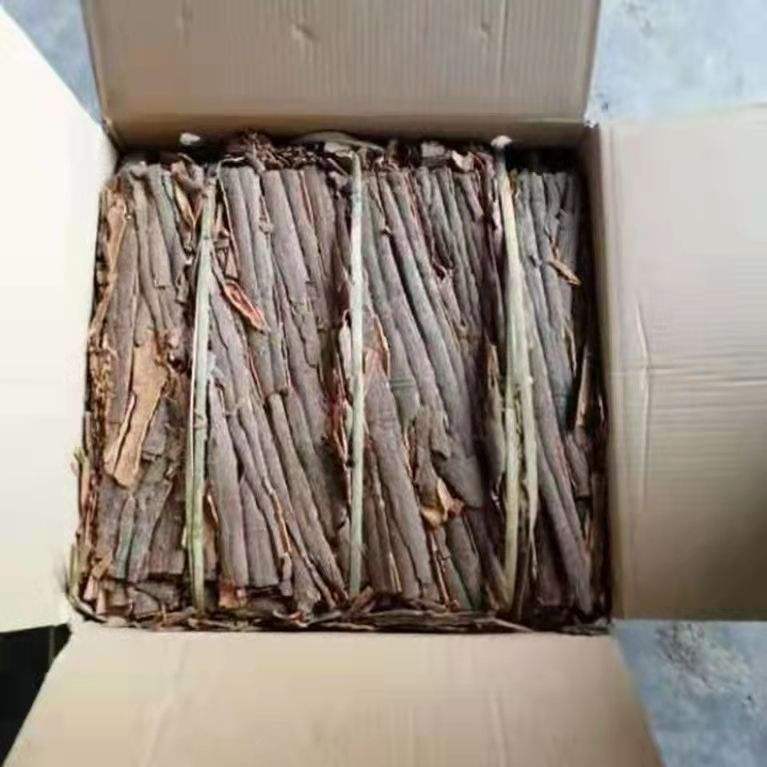
Pressed Cassia is produced from carefully selected, relatively large pieces of cassia bark. After harvesting, the bark is cleaned, dried, graded, and compressed into compact bundles or blocks for efficient storage and export.
Large, whole or nearly whole bark pieces
Uniform colour and thickness
Clean appearance with minimal breakage
Easy to pack and transport
Higher commercial value
Retail spice packaging
Premium food ingredients
Herbal tea production
Food service industry
International wholesale and export
Because of its attractive appearance and consistent quality, Pressed Cassia is generally preferred by importers supplying supermarkets, distributors, and retail brands.
Broken Cassia consists of smaller pieces of cassia bark created during harvesting, cutting, grading, or transportation. While the pieces are less uniform, they retain the same characteristic cinnamon aroma and flavour.
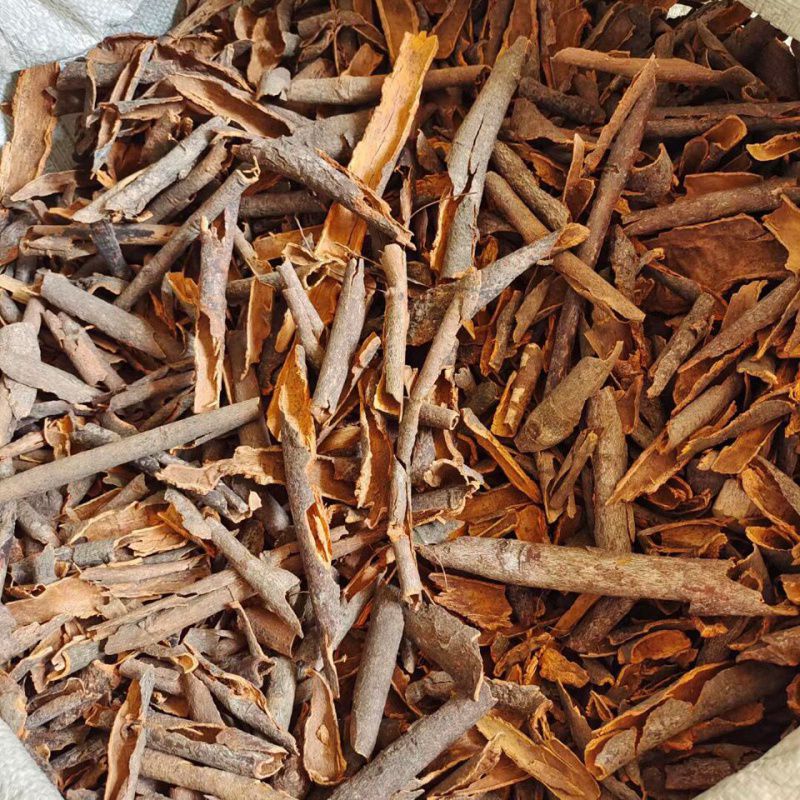
Irregular bark pieces
Mixed lengths and widths
Economical price
Easy to grind or process
Suitable for industrial production
Ground cassia powder
Spice blends
Seasoning manufacturing
Essential oil extraction
Food processing factories
Broken Cassia is widely used by manufacturers because appearance is less important when the product will be ground or extracted.
| Feature | Pressed Cassia | Broken Cassia |
|---|---|---|
| Appearance | Large, neat, uniform bark | Small, irregular bark pieces |
| Processing | Selected, graded and compressed | Produced from trimmed or naturally broken bark |
| Quality Grade | Premium commercial grade | Standard or industrial grade |
| Aroma | Strong and natural | Strong and natural |
| Best Use | Retail packaging and export | Grinding, extraction and food manufacturing |
| Price | Higher | More economical |
Not necessarily.
If both products originate from the same harvest and quality grade, the flavour and aroma are generally very similar. The primary differences are size, appearance, consistency, and intended use rather than taste.
Choose Pressed Cassia if you need:
Attractive retail presentation
Premium export quality
Consistent bark size
Higher-end food applications
Choose Broken Cassia if you need:
Cost-effective raw materials
Cinnamon powder production
Spice blending
Industrial food manufacturing
Essential oil extraction
China, particularly Guangxi Province, is one of the world's leading producers of cassia cinnamon. Chinese cassia is recognised for its rich aroma, high essential oil content, stable quality, and competitive pricing.
Professional manufacturers can supply Pressed Cassia and Broken Cassia in customised specifications, including different sizes, moisture levels, packaging options, and export documentation to meet international market requirements.
Pressed Cassia and Broken Cassia are produced from the same cassia bark but are designed for different markets.
Pressed Cassia offers a cleaner appearance and higher presentation value, making it ideal for retail and premium export markets. Broken Cassia provides excellent flavour at a lower cost, making it the preferred choice for food manufacturers, spice processors, and industrial applications.
Selecting the right product depends on your intended use, quality requirements, and budget. Working with an experienced cassia supplier ensures consistent quality, reliable specifications, and efficient international delivery.