Cinnamon is one of the world's oldest and most valuable spices, prized for its distinctive aroma, flavour, and versatility. A common question among importers, wholesalers, and consumers is: How long does a cinnamon tree take to grow?
The answer depends on the species of cinnamon, growing conditions, and cultivation methods. In commercial production, cinnamon trees are not grown for timber but for their bark, which can be harvested repeatedly over many years.
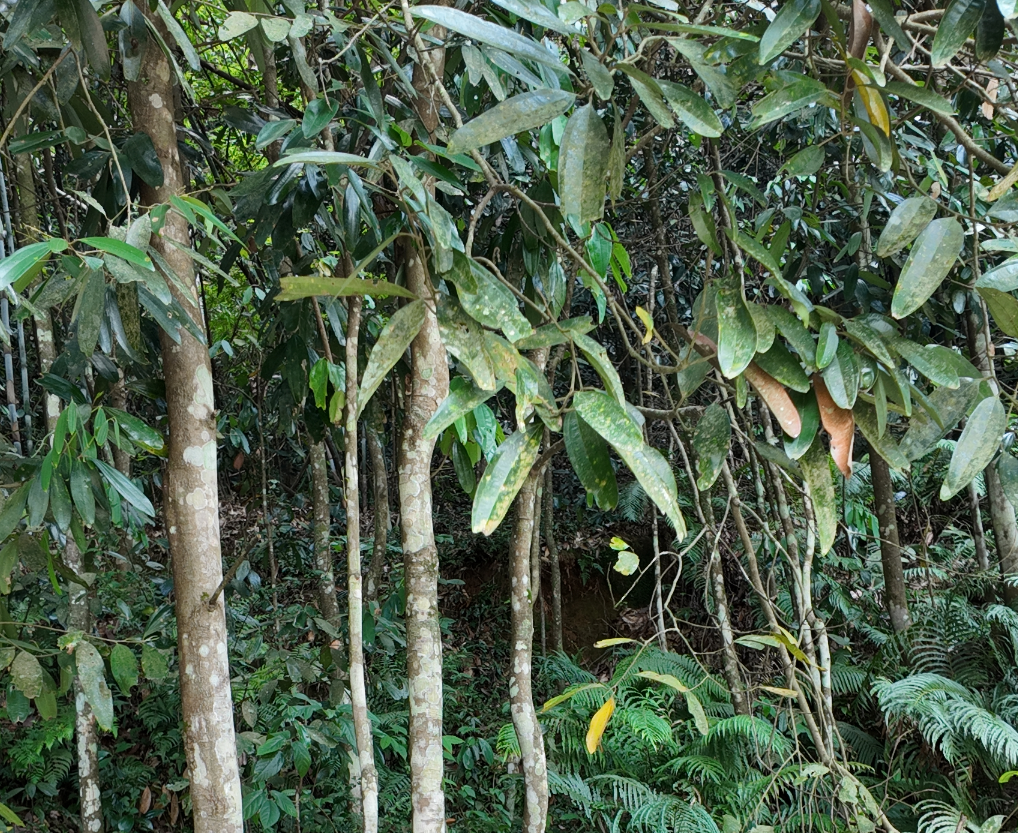
Cinnamon trees belong to the Cinnamomum genus and thrive in tropical and subtropical climates with warm temperatures, abundant rainfall, and well-drained soil.
The most widely cultivated commercial species include:
Chinese Cassia (Cinnamomum cassia) – Mainly grown in China, especially Guangxi Province.
Ceylon Cinnamon (Cinnamomum verum) – Primarily cultivated in Sri Lanka.
Saigon Cinnamon (Cinnamomum loureiroi) – Grown mainly in Vietnam.
Korintje Cinnamon (Cinnamomum burmannii) – Widely cultivated in Indonesia.
Although these species differ slightly in flavour and bark characteristics, their cultivation process is generally similar.
Under good growing conditions, cinnamon trees typically become ready for their first commercial bark harvest in about 2 to 3 years after planting.
At this stage:
Young shoots have developed suitable bark thickness.
The bark contains sufficient essential oils for commercial use.
Farmers can begin harvesting without damaging the long-term productivity of the plant.
Rather than cutting down the entire tree, growers usually harvest mature stems while allowing new shoots to regenerate from the stump.
Yes. One of the biggest advantages of cinnamon cultivation is that the tree can be harvested repeatedly.
After the first harvest:
New shoots emerge from the remaining stump.
These shoots continue growing and develop fresh bark.
Depending on climate and management practices, new harvests are usually possible every 2 to 3 years.
This regeneration system allows cinnamon plantations to remain productive for many years.
A well-managed cinnamon plantation can continue producing high-quality bark for 20 to 30 years or more.
Factors affecting plantation lifespan include:
Soil fertility
Rainfall
Pruning practices
Pest and disease management
Harvesting techniques
Overall plantation management
Proper maintenance helps ensure consistent bark quality and stable yields throughout the plantation's productive life.
Several environmental and agricultural factors influence how quickly cinnamon trees grow.
Cinnamon grows best in:
Tropical and subtropical regions
Average temperatures of 20–30°C
High humidity
Annual rainfall of 1,500–2,500 mm
Well-drained, fertile soils rich in organic matter promote healthy root development and bark quality.
Young trees benefit from partial shade during early growth, while mature trees require plenty of sunlight for vigorous shoot development.
Regular pruning, weed control, fertilisation, and pest management encourage faster regeneration and improve bark quality.
Commercial cinnamon is obtained from the inner bark of young stems, not from large, old trunks.
Young stems are preferred because they produce:
Smoother bark
Higher essential oil content
Better colour
Easier peeling
More uniform thickness
Older trunks develop thicker, rougher bark that is generally less suitable for premium cinnamon products.
Once the stems reach the appropriate size, the harvesting process typically includes:
Cutting mature stems close to the ground.
Removing leaves and small branches.
Scraping away the rough outer bark.
Carefully peeling the inner bark.
Drying the bark naturally.
Rolling or pressing the bark into commercial forms.
Grading and packaging for domestic or export markets.
This traditional process helps preserve the natural aroma and flavour of cinnamon.
A typical commercial production cycle is:
0–12 months: Seedlings establish and develop.
12–24 months: Trees produce multiple healthy shoots.
24–36 months: First commercial bark harvest.
Every 2–3 years thereafter: Regrowth and repeat harvesting.
20–30+ years: Productive plantation lifespan with proper management.
A cinnamon tree generally requires 2 to 3 years before the first commercial bark harvest, after which it can be harvested repeatedly every 2 to 3 years. With good agricultural practices, a cinnamon plantation can remain productive for 20 to 30 years or longer.
This renewable harvesting system makes cinnamon a sustainable crop and enables growers to produce high-quality bark over many years. For importers and buyers, understanding the cinnamon growth cycle provides valuable insight into product quality, supply stability, and long-term sourcing.
Q1. How many years does a cinnamon tree take before the first harvest?
Most commercial cinnamon trees are ready for their first bark harvest in approximately 2 to 3 years, depending on the species, climate, and cultivation practices.
Q2. How often can cinnamon be harvested?
After the initial harvest, new shoots usually regenerate and can be harvested every 2 to 3 years, allowing continuous production from the same plant.
Q3. How long does a cinnamon plantation remain productive?
With proper management, a cinnamon plantation can produce quality bark for 20 to 30 years or more through repeated harvesting cycles.
Q4. What factors affect the growth of a cinnamon tree?
Climate, rainfall, soil quality, sunlight, pruning, fertilisation, and pest management all influence growth rate, bark quality, and harvest frequency.
Q5. Why is cinnamon harvested from young stems instead of old trunks?
Young stems produce smoother bark with higher essential oil content, more uniform thickness, and better colour, making them ideal for high-quality commercial cinnamon products.