The short answer is:
One medium cinnamon stick (approximately 7–10 cm or 3–4 inches long) is generally equivalent to about ½ to 1 teaspoon of ground cinnamon, depending on its size, thickness, and variety.
Because cinnamon sticks vary in length, diameter, density, and moisture content, there is no exact conversion. However, understanding the typical relationship between whole cinnamon sticks and ground cinnamon can help you achieve consistent flavour in cooking, baking, and food production.
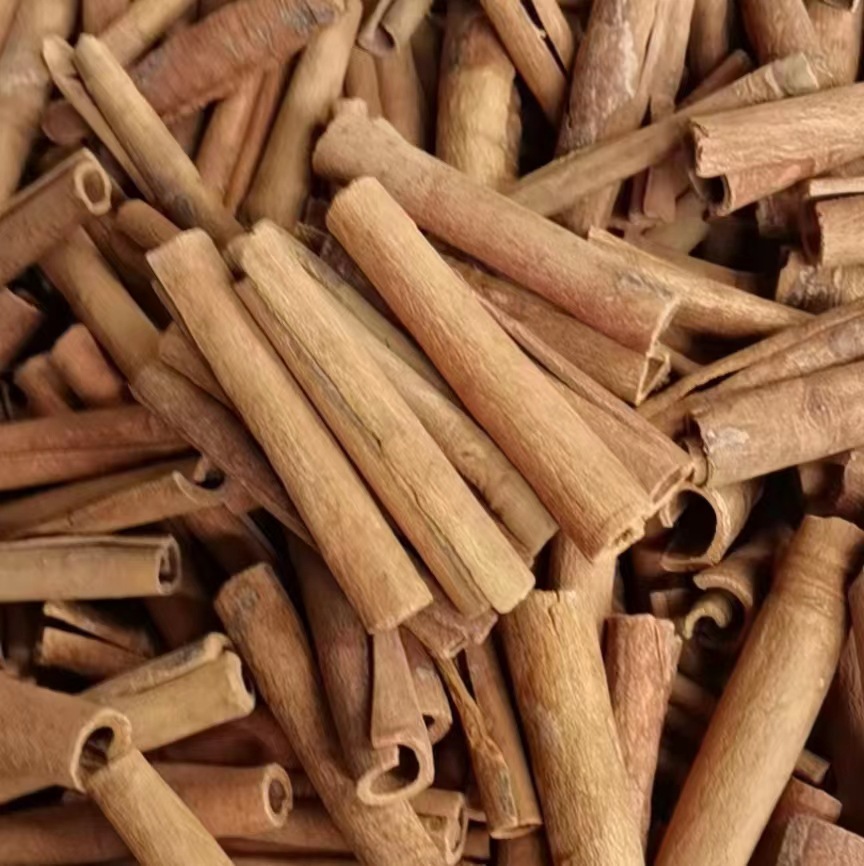
The following table provides general conversion estimates for medium-sized cinnamon sticks.
| Cinnamon Sticks | Approximate Ground Cinnamon |
|---|---|
| ½ stick | ¼–½ teaspoon |
| 1 stick | ½–1 teaspoon |
| 2 sticks | 1–2 teaspoons |
| 4–5 sticks | About 1 tablespoon |
These values are intended as practical guidelines rather than exact measurements.
Unlike ground cinnamon, cinnamon sticks are natural agricultural products. Each stick differs slightly in:
Length
Thickness
Bark density
Moisture content
Essential oil content
Cinnamon variety
For example, a thick Chinese Cassia stick generally contains more bark than a thin Ceylon cinnamon quill of the same length. As a result, the amount of ground cinnamon produced from each stick can vary.
Yes. Different cinnamon varieties have different bark structures and densities.
Chinese Cassia has:
Thick bark
Strong, rich aroma
Higher bark density
More ground cinnamon per stick
It is widely used in:
Baking
Spice blends
Meat seasoning
Industrial food production
Ceylon cinnamon has:
Thin, multi-layered bark
Mild, delicate flavour
Lower density
Less powder per stick of similar length
It is commonly used in:
Desserts
Tea
Fine baking
Premium culinary applications
Many recipes call for whole cinnamon sticks rather than ground cinnamon because they slowly release flavour during cooking.
Cinnamon sticks are ideal for:
Soups
Stews
Curries
Mulled wine
Herbal tea
Coffee
Rice dishes
Syrups
After cooking, the stick can simply be removed before serving.
If a recipe calls for cinnamon sticks but only ground cinnamon is available, use the following guideline:
1 medium cinnamon stick = approximately ¾ teaspoon of ground cinnamon
Ground cinnamon releases flavour more quickly than whole sticks, so it should be added gradually and adjusted to taste.
Both forms have their advantages.
Longer-lasting flavour release
Easy to remove after cooking
Better shelf life
Attractive presentation
Ideal for beverages and slow-cooked dishes
Convenient to measure
Even flavour distribution
Suitable for baking
Easy to blend into seasonings
Preferred for industrial food processing
The best choice depends on your application rather than one form being universally better.
To obtain the best flavour from cinnamon:
Store cinnamon in airtight containers.
Keep it away from moisture, heat, and direct sunlight.
Grind cinnamon sticks only when needed for maximum freshness.
Replace old ground cinnamon regularly, as it loses aroma faster than whole sticks.
Whole cinnamon sticks generally retain their flavour much longer than ground cinnamon because their essential oils are protected inside the bark.
Although there is no exact conversion, one medium cinnamon stick is generally equal to about ½ to 1 teaspoon of ground cinnamon, with ¾ teaspoon serving as a practical average for most recipes.
The exact amount depends on the cinnamon variety, bark thickness, and stick size. Chinese Cassia typically produces more ground cinnamon per stick than Ceylon cinnamon due to its thicker bark.
Whether you choose whole cinnamon sticks or ground cinnamon, using high-quality cinnamon from a reliable supplier will ensure the best flavour, aroma, and consistency for cooking, baking, and food manufacturing.
Q1. How many cinnamon sticks equal one teaspoon of ground cinnamon?
One medium cinnamon stick typically equals ½ to 1 teaspoon of ground cinnamon, with ¾ teaspoon being a practical average for most recipes.
Q2. Can I substitute ground cinnamon for cinnamon sticks?
Yes. If a recipe calls for one medium cinnamon stick, you can usually substitute approximately ¾ teaspoon of ground cinnamon. Adjust the amount based on the desired flavour intensity.
Q3. Does Chinese Cassia produce more ground cinnamon than Ceylon cinnamon?
Yes. Chinese Cassia generally has thicker bark and higher density, so a stick of the same length often yields more ground cinnamon than a Ceylon cinnamon quill.
Q4. Why don't cinnamon stick conversions provide an exact measurement?
Cinnamon sticks are natural products that vary in length, thickness, density, moisture, and variety, so the amount of ground cinnamon produced from each stick can differ.
Q5. Which is better for cooking: cinnamon sticks or ground cinnamon?
Cinnamon sticks are ideal for slow-cooked dishes and beverages because they release flavour gradually and can be removed before serving. Ground cinnamon is better for baking, spice blends, and recipes that require even flavour distribution.